BPC-157
A pentadecapeptide derived from human gastric juice with remarkable tissue healing properties across tendons, muscles, nerves, and the GI tract.
Normal Protocol
Advanced Protocol
Also Known As
Body Protection Compound-157, PL 14736, PL-10, Bepecin
Mechanism of Action
Product
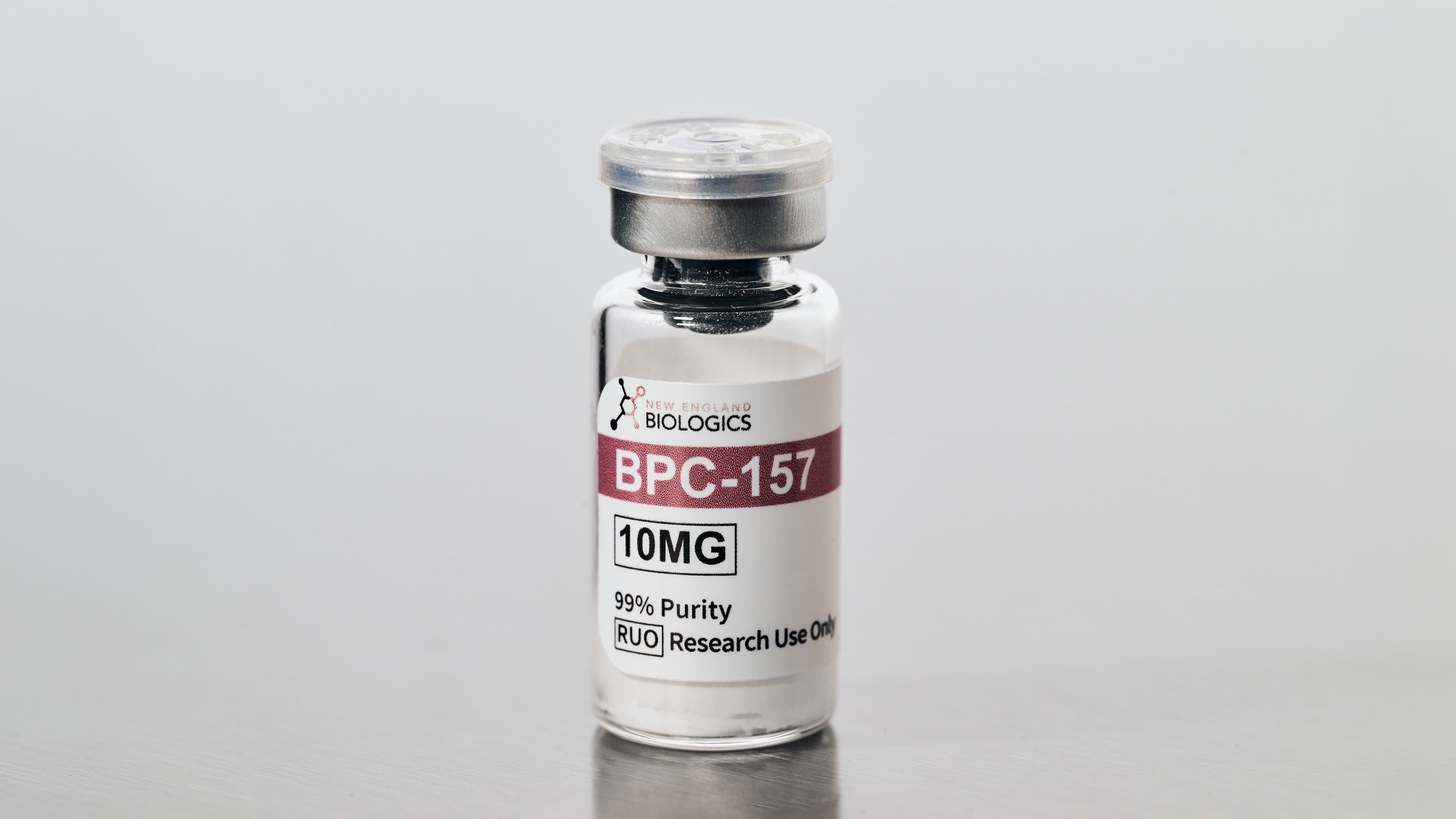
Half-Life
Stable in gastric juice; estimated biological half-life of several hours
Administration Routes
Dosing Protocols
Key Research Findings
BPC-157 (Body Protection Compound-157) is a synthetic peptide derived from a protein found in human gastric juice. It has demonstrated remarkable healing properties across multiple tissue types in preclinical research, including tendons, ligaments, muscles, the nervous system, and the gastrointestinal tract.
Overview
BPC-157 is a pentadecapeptide composed of 15 amino acids. It is derived from a portion of the body protection compound (BPC) found naturally in human gastric juice. Unlike many peptides, BPC-157 is stable in human gastric juice and does not need carrier agents for bioactivity.
Research Highlights
Preclinical studies have shown BPC-157 accelerates the healing of various wound types including transected tendons, damaged ligaments, crushed muscles, and bone fractures. It also demonstrates cytoprotective and antiulcer activity systemically and when administered locally.
Side Effects & Warnings
Legal Status
Molecular Weight
1419.53 g/mol
Amino Acid Sequence
Gly-Glu-Pro-Pro-Pro-Gly-Lys-Pro-Ala-Asp-Asp-Ala-Gly-Leu-Val
Class
Research Status
PreclinicalHalf-Life
Stable in gastric juice; estimated biological half-life of several hours
Routes
Category
Healing & Recovery