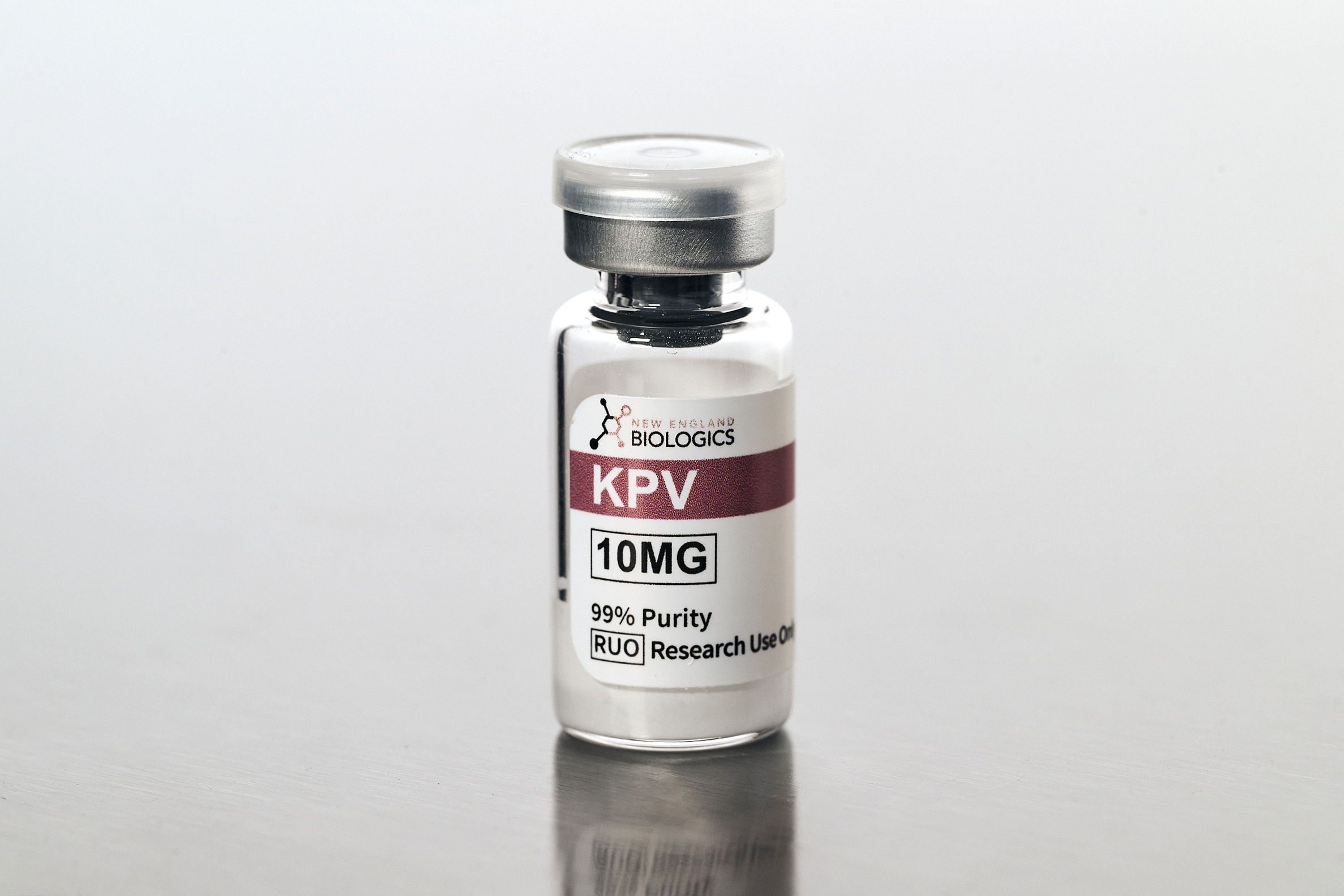
KPV
Anti-inflammatory tripeptide from α-MSH that inhibits NF-κB signaling. Potent gut anti-inflammatory with promising IBD research results. Works independently of melanocortin receptors.
Normal Protocol
Advanced Protocol
Also Known As
Lys-Pro-Val, alpha-MSH(11-13), C-terminal α-MSH tripeptide
Mechanism of Action
Product
Half-Life
Short (minutes); nanoparticle formulations extend effective duration
Administration Routes
Dosing Protocols
Key Research Findings
KPV is a naturally occurring tripeptide derived from the C-terminal end of alpha-melanocyte-stimulating hormone (α-MSH). Comprising the amino acids lysine-proline-valine (positions 11-13 of α-MSH), KPV retains the potent anti-inflammatory properties of α-MSH while lacking melanocortin receptor binding activity and melanogenic effects.
Mechanism of Action
KPV enters cells and translocates to the nucleus, where it directly inhibits NF-κB signaling — the master regulator of inflammatory gene expression. It blocks the nuclear translocation of the NF-κB p65 subunit, preventing transcription of pro-inflammatory cytokines including TNF-α, IL-1β, IL-6, and IL-8. This mechanism operates independently of melanocortin receptors, distinguishing KPV from full-length α-MSH.
In the gastrointestinal tract, KPV demonstrates particular efficacy due to its ability to reduce mucosal inflammation. It inhibits inflammatory signaling in colonocytes and intestinal epithelial cells, reduces neutrophil infiltration, and promotes epithelial barrier integrity. These properties make it a promising agent for inflammatory bowel disease (IBD) research.
Research Evidence
Dalmasso et al. (2008, PLoS ONE) demonstrated that oral KPV reduced colonic inflammation in mouse models of colitis, with efficacy comparable to conventional anti-inflammatory agents. The study showed reduced histological damage scores, decreased myeloperoxidase activity (indicating less neutrophil infiltration), and lower pro-inflammatory cytokine levels.
Laroui et al. (2010) developed nanoparticle-encapsulated KPV for targeted colonic delivery, showing enhanced efficacy for IBD-related inflammation. KPV loaded in hyaluronic acid-functionalized nanoparticles achieved therapeutic concentrations at the colonic mucosa with oral administration.
Research has also demonstrated KPV antimicrobial activity against Staphylococcus aureus and Candida albicans, and wound healing promotion through anti-inflammatory mechanisms.
Side Effects & Warnings
Legal Status
Molecular Weight
342.43 g/mol
Amino Acid Sequence
Lys-Pro-Val
Class
Research Status
PreclinicalHalf-Life
Short (minutes); nanoparticle formulations extend effective duration
Routes
Category
Healing & Recovery