NAD+ (Nicotinamide Adenine Dinucleotide)
NAD+ is a critical coenzyme found in every cell of the body, essential for energy metabolism, DNA repair, and cellular signaling. Supplemental NAD+ is used to support mitochondrial function, combat age-related decline, and promote overall cellular health.
Also Known As
Nicotinamide Adenine Dinucleotide, Coenzyme NAD
Mechanism of Action
Product
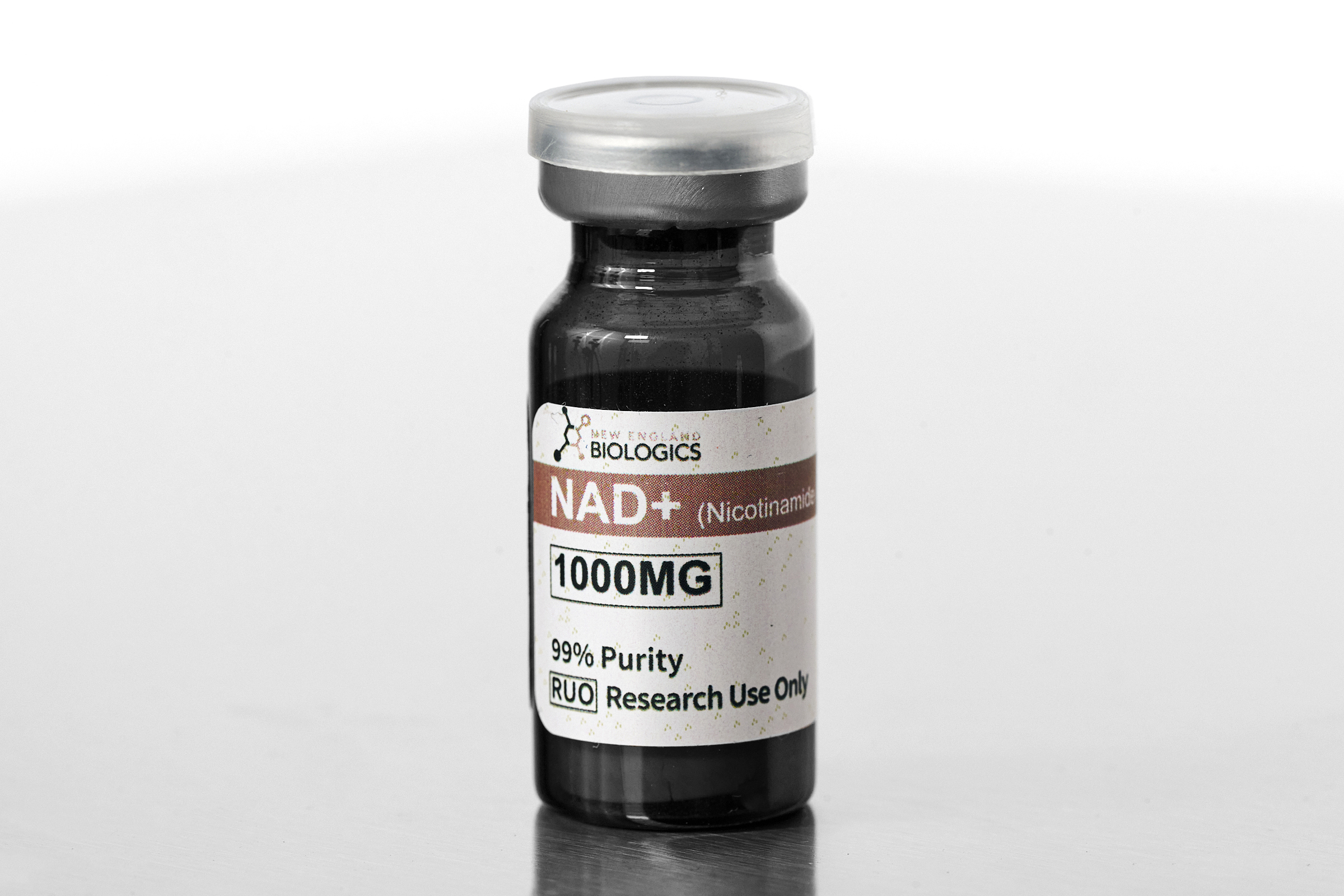
Half-Life
Approximately 30-45 minutes (injectable)
Administration Routes
Dosing Protocols
Key Research Findings
What is NAD+?
NAD+ (Nicotinamide Adenine Dinucleotide) is a vital coenzyme present in all living cells. It plays a central role in cellular energy production, serving as a key electron carrier in mitochondrial oxidative phosphorylation. NAD+ levels naturally decline with age, and this decline is associated with numerous age-related conditions including metabolic dysfunction, neurodegeneration, and decreased cellular repair capacity.
Mechanism of Action
NAD+ functions as a substrate for several important enzyme families including sirtuins (SIRT1-7), PARPs (poly ADP-ribose polymerases), and CD38. Sirtuins are NAD+-dependent deacetylases that regulate gene expression, DNA repair, metabolism, and stress resistance. By replenishing NAD+ levels, supplementation aims to restore optimal sirtuin activity and support mitochondrial biogenesis, autophagy, and circadian rhythm regulation.
Potential Benefits
- Cellular energy production — NAD+ is essential for converting nutrients into ATP through the mitochondrial electron transport chain
- DNA repair — Supports PARP-mediated DNA damage repair mechanisms that decline with age
- Anti-aging — Activates sirtuin pathways associated with longevity and healthspan extension
- Neuroprotection — May protect against neurodegeneration by supporting neuronal energy metabolism and reducing oxidative stress
- Metabolic health — Supports healthy glucose metabolism and insulin sensitivity
- Exercise recovery — May enhance mitochondrial function and reduce exercise-induced fatigue
Research Overview
Research into NAD+ supplementation has accelerated significantly in recent years. Studies in animal models have demonstrated that boosting NAD+ levels can improve mitochondrial function, extend lifespan, and protect against age-related diseases. Human clinical trials with NAD+ precursors (NMN, NR) have shown that supplementation can effectively raise blood NAD+ levels. Direct NAD+ administration via injection bypasses the conversion steps required by oral precursors, potentially offering more immediate bioavailability.
Key research areas include neurodegenerative diseases (Alzheimers, Parkinsons), cardiovascular health, metabolic syndrome, and the fundamental biology of aging. While preclinical data is promising, large-scale human trials are still underway to confirm therapeutic applications.
Administration
Injectable NAD+ is typically administered intramuscularly. The reconstituted solution should be stored refrigerated and used within the recommended timeframe. Intramuscular injection sites include the deltoid (shoulder) and the tricep area.
Side Effects & Warnings
Legal Status
Molecular Weight
663.43 g/mol
Class
Research Status
Clinical TrialsHalf-Life
Approximately 30-45 minutes (injectable)
Routes
Category
Longevity & Anti-Aging