Pinealon
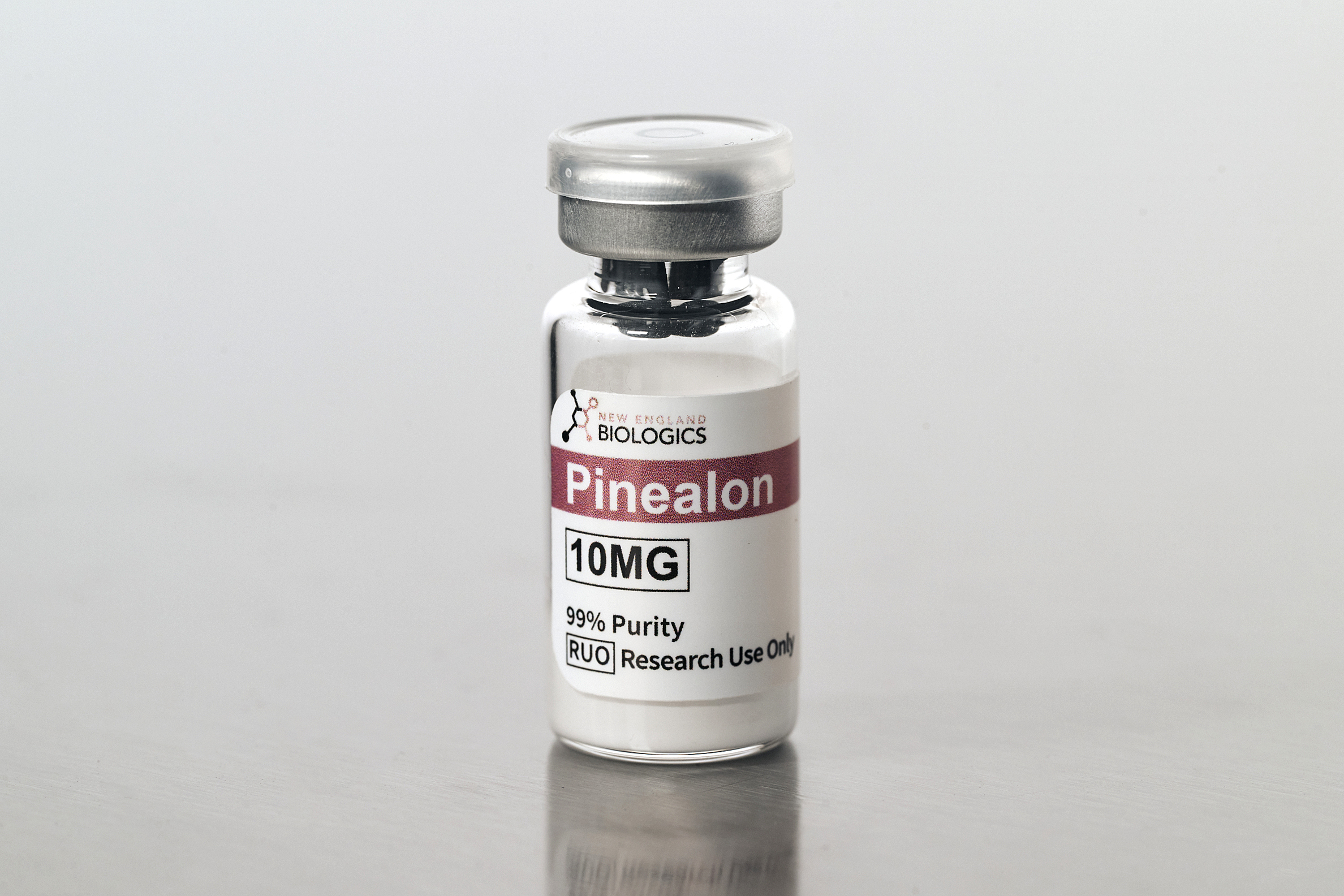
Pinealon is a bioregulator peptide composed of the amino acids Glu-Asp-Arg, designed to support brain and central nervous system function. It targets the pineal gland and neuronal cells to promote cognitive function and neuroprotection.
Also Known As
Glu-Asp-Arg, EDR peptide
Mechanism of Action
Product
Half-Life
Short (minutes); effects are epigenetic and cumulative
Administration Routes
Dosing Protocols
Key Research Findings
What is Pinealon?
Pinealon is a synthetic tripeptide bioregulator (Glu-Asp-Arg) developed by Professor Vladimir Khavinson at the St. Petersburg Institute of Bioregulation and Gerontology. It is designed to normalize brain function by targeting neuronal cells and the pineal gland. As a bioregulator peptide, Pinealon works through epigenetic mechanisms to restore healthy gene expression patterns in central nervous system tissues, particularly those involved in cognitive function, sleep regulation, and neuroprotection.
Mechanism of Action
Pinealon interacts with DNA sequences in neuronal cells and pinealocytes (pineal gland cells) to modulate gene expression related to neurotransmitter production, melatonin synthesis, and neuronal survival. The peptide helps restore optimal CNS function by influencing transcription factors involved in neuroprotective pathways, antioxidant defense in brain tissue, and circadian rhythm regulation through pineal gland support.
Potential Benefits
- Cognitive enhancement — May support memory, focus, and overall cognitive performance
- Neuroprotection — Helps protect neurons from oxidative stress and age-related damage
- Sleep regulation — Supports pineal gland function and healthy melatonin production
- Circadian rhythm support — May help normalize sleep-wake cycles
- Anti-aging (brain) — Helps counteract age-related cognitive decline
- Mood support — May influence neurotransmitter balance for improved mood regulation
Research Overview
Pinealon has been studied in Russian bioregulation research with focus on its neuroprotective and cognitive-enhancing properties. In vitro studies have demonstrated that Pinealon can penetrate cell membranes and nuclear envelopes to interact directly with DNA in neuronal cells. Animal studies have shown improvements in learning, memory, and stress resistance. Clinical observations suggest benefits for cognitive function in elderly patients and those with neurodegenerative conditions.
Administration
Pinealon is reconstituted with 2ml of bacteriostatic water. Using an insulin syringe marked 1-100 units, draw 10 units for a daily dose. One 10mg vial provides 20 days of dosing. Administered subcutaneously.
Side Effects & Warnings
Legal Status
Class
Research Status
Clinical TrialsHalf-Life
Short (minutes); effects are epigenetic and cumulative
Routes
Category
Cognitive & Neuroprotective